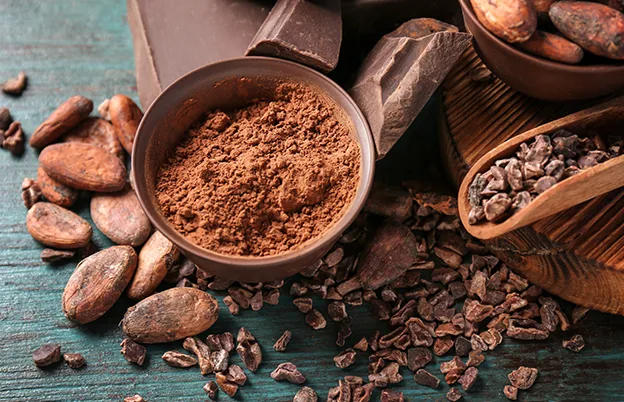
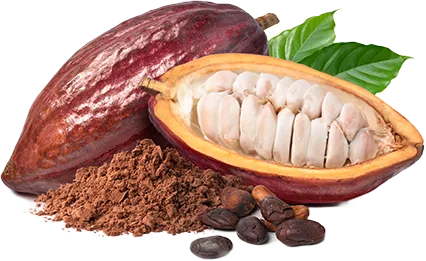
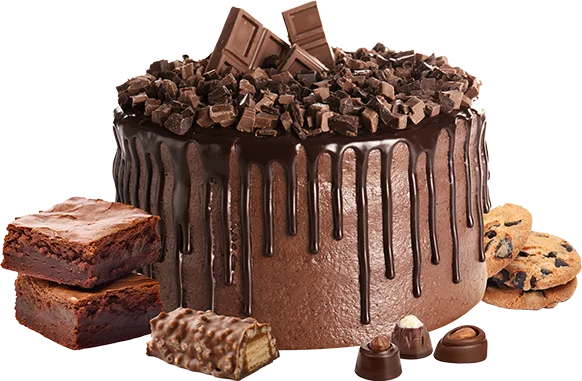
With over 600 volatile compounds contributing to its aroma and flavor, cocoa is one of the most complicated baking ingredients to handle. Its color and texture profile will also vary depending on the bean’s origins and the manner it was processed. More than that, cocoa also fulfills certain functions when added into specific sweet goods applications.
Deducing from its complex properties and function, swapping out the ingredient requires deep technical and application expertise to make alternatives work. Partnering with experts, brands aiming to retain the same chocolate profile without the key ingredient consider this as a workable option for their existing portfolio.


The good news is, there are still other ways to reduce or switch out cocoa altogether without succumbing to pressures of high prices.
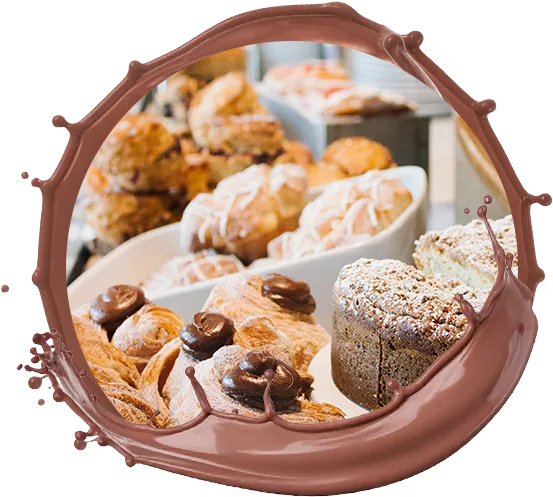
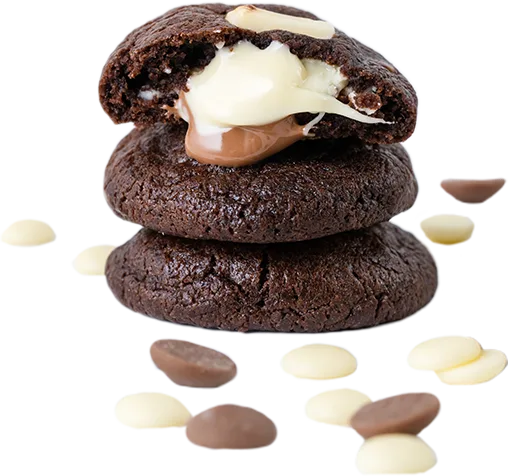
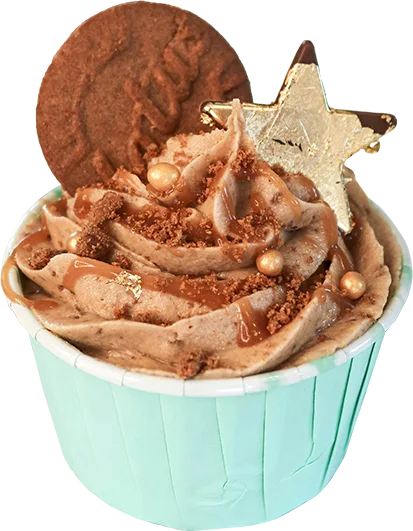
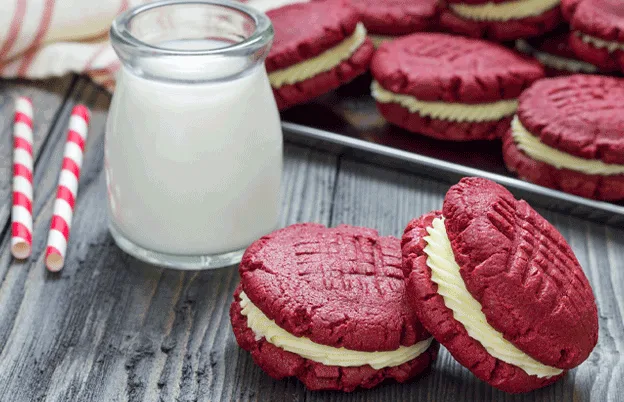
Bringing this learning today, the alternative approach of adding special bakery ingredients (e.g. luxurious cream fillings) in lieu of chocolate not only offers a myriad of creative possibilities but also sensorial play. For many brands, sensory is increasingly taking centre stage to deliver memorable taste experiences. Hence, complementing chocolate-based sweet goods with a wonderland of textures can exude nothing short of fun and intrigue for consumers.
In fact, sweet treats with texture claims featured at front-of-pack has grown at 24.6% in Asia Pacific – crunchy, smooth and soft being popular descriptors (Source: Mintel GNPD).

Think layering biscuits with gooey sauces, adding crunchy inclusion pieces or sprinkling with gummy-like toppings – the combination possibilities are endless.
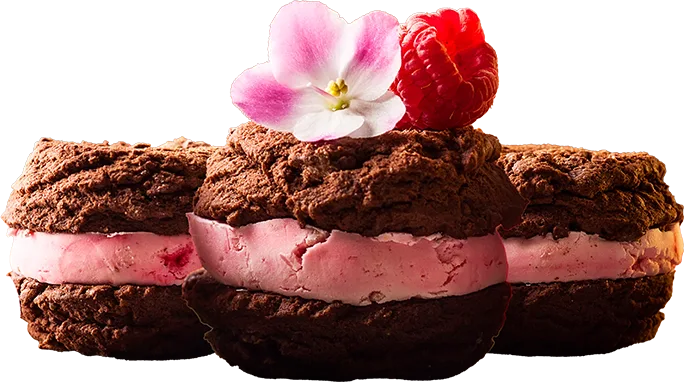
Finding new ways to launch consumer-centric products amidst any crisis is both daunting and stressful. Inasmuch as we hope for a bittersweet ending to elevated cocoa prices and fluctuating supply, the good news is that, innovation is far from over and there are alternatives to meet your consumers’ growing demand for chocolate products.