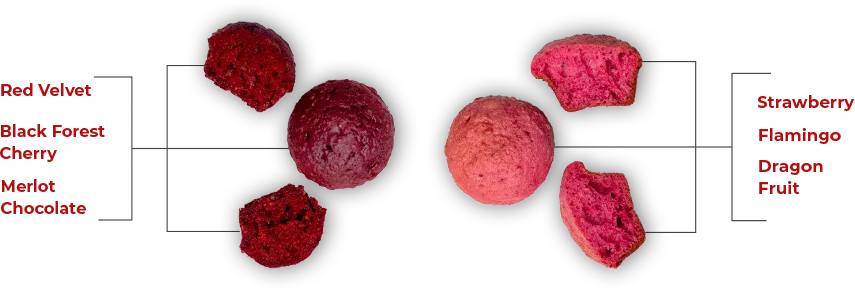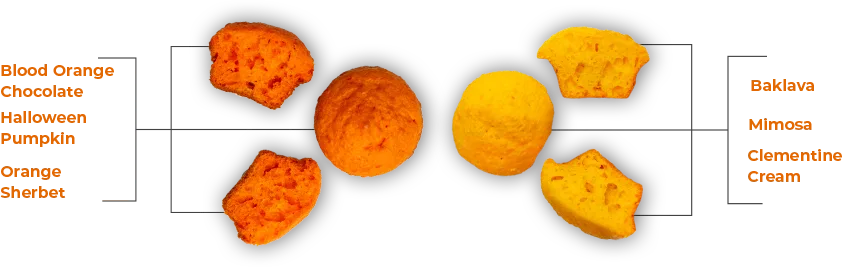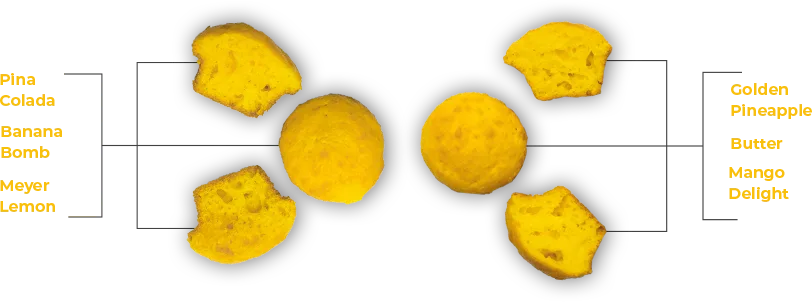
As consumers’ purchasing behaviour continues to shift towards “better-for-you” alternatives, innovation opportunities present themselves across all categories. Cakes and cupcakes are the perfect vehicle for “permissible indulgence”.
With smaller portion sizes offerings becoming the norm, all-natural ingredients help to ease consumers’ minds while satisfying their need for a sweet, momentous treat.
In Sensient’s large-scale consumer research study, products with brighter, more vibrant color outscored muted/low-colored products and lifted purchase intent by 5%. There are a few key reasons for this preference. First, according to Sensient’s research, brighter colors are associated with more flavor.
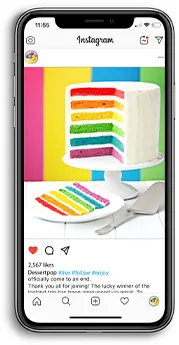
Secondly, today’s consumers are seek unique-looking and photogenic products to share across their social platforms. To date, more than 3 million Instagram posts are housed under the hashtag #cakesofinstagram, showcasing beautifully-designed works of pastry chefs, at home bakers, and even store-bought creations. Natural food color can not only cater to modern demands for natural ingredients, but also can increase overall flavor perception and potentially purchase intent.

Did you know natural colors provide more hue options than synthetic colors? While the broad shade range is certainly a benefit, some unique challenges still exist when formulating with natural colors, such as heat stability for applications like cupcakes and cakes where there is a bake process. Fortunately, unique innovations by our technical team are able to address some major gaps caused by heat stability, and offer a crayon box full of natural colors to suit your needs.

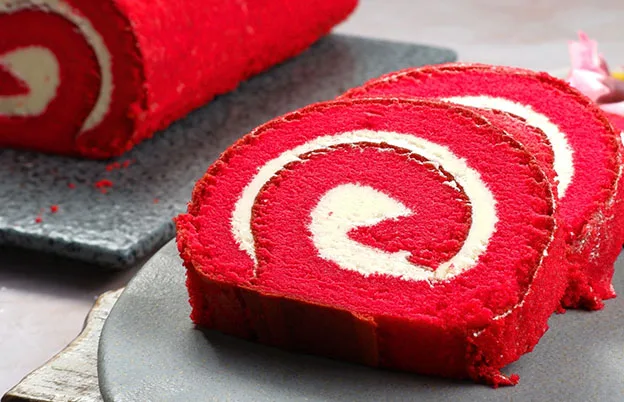
Solution: Beet juice color provides excellent pink and red velvet shades in baking applications, but browns under high heat processing. For lower heat bakery applications, Sensient’s cost-effective and highly concentrated beet juice is a great option.
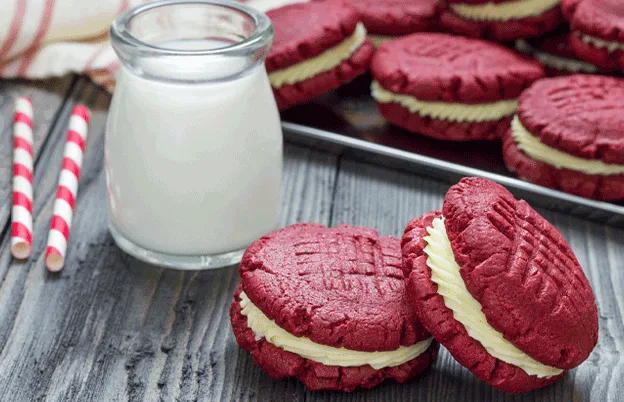
Solution: Heat-stable reds like carmine and Sensient’s proprietary SupraRed beet juice deliver intense, bright red shades at low usage rates.
Solution: Paprika extract color provides bold orange shades and annatto extract color delivers more golden orange hues; both are heat-stable options for cake applications.
Solution: Turmeric color provides the brightest yellow and a heat-stable option but it fades under light exposure, so it isn’t a great option for clear packaged baked items. Another yellow option is beta-carotene due to the good heat and light stability it provides, as well as the vibrant golden yellow hue.
Solution: Natural blue shades are challenging to achieve in baking applications. Sensient’s proprietary natural blue color offers a denim blue color for cake applications, and in combination with heat-stable reds like Carmine or SupraRed™, you can achieve rich purple shades.
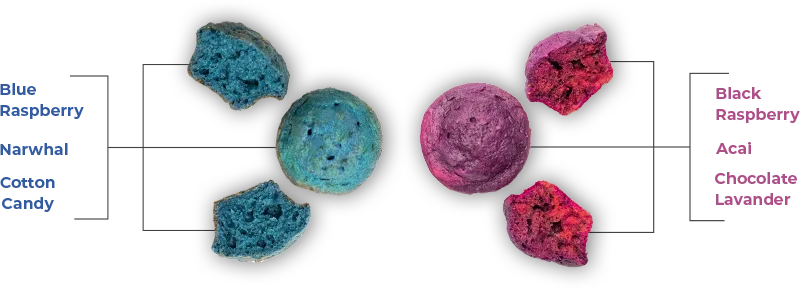
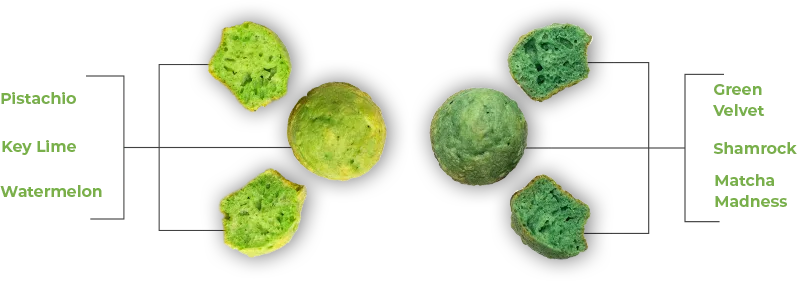
Solution: Similar to natural purple blends, green shades are achieved by combining natural blues with natural yellows. Natural blues with turmeric yellow produces the brightest natural green food coloring option.
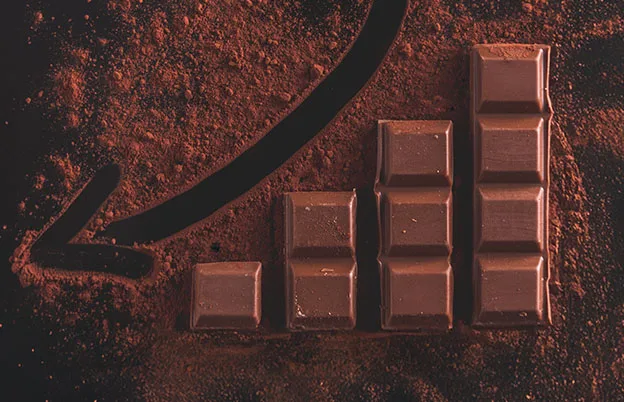
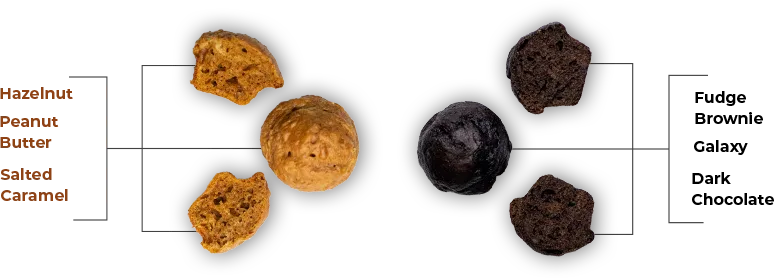
Solution: Many cake batters are in a beige or a brownish hue if cocoa is a recipe component, but produce inconsistent end shades. Historically, caramel colors have been the go-to brown solution for standardisation, but in recent years, Sensient has filled the gap alternative options. We have a suite of natural brown alternatives to caramel colors from golden to peanut butter shades using our Sienna™ fruit juice and darker brown shades with natural blue and brown blends.
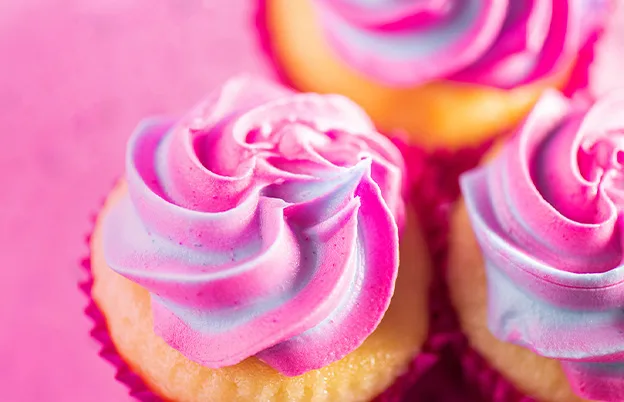
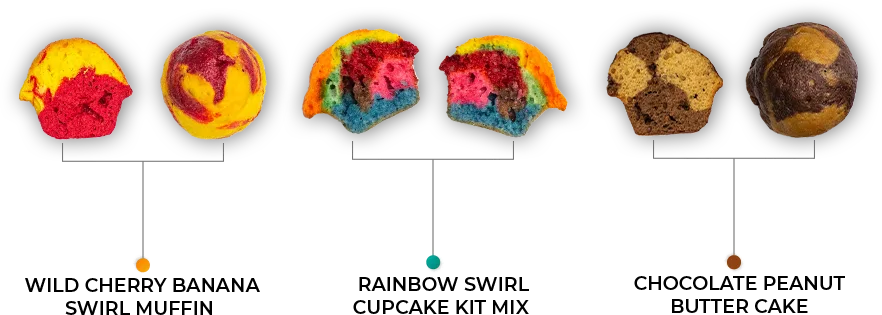
Bakery developers can innovate colorfully with multicolor swirls for an even more memorable visual experience.
Brighten your bakery innovation with a sample of our natural food colors today-select your hue here!
If you are uncertain about a natural color sample or would like to discuss strategies for natural colors for a specific shade, my team and I would love to talk. Please set up a consultation with us here.