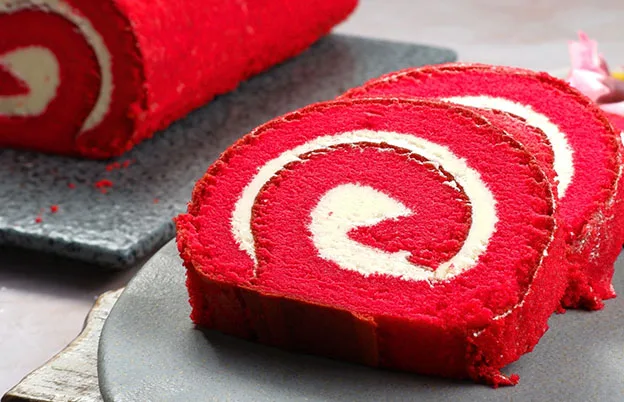
Color adulteration is a serious concern. The adulteration of food is substituting or omitting a valuable substance, as well as concealing damage or the inferiority of a product. Food color adulteration mostly involves creating imitation products and marketing them as authentic. Rhodamine B, a fluorescent biological stain, has been added to brighten chili preparations. Metanil yellow, a pH indictor used in analytic chemistry, has been widely used to augment turmeric colors and spices. Unfortunately, adulteration sometimes is not discovered until it reaches the trusting consumer and may be met with injury or death. The effect of adulteration and recalls on businesses is difficult to quantify in dollars and reputation. It is difficult to regain consumer trust whether the fault is the food manufacturer’s or not.
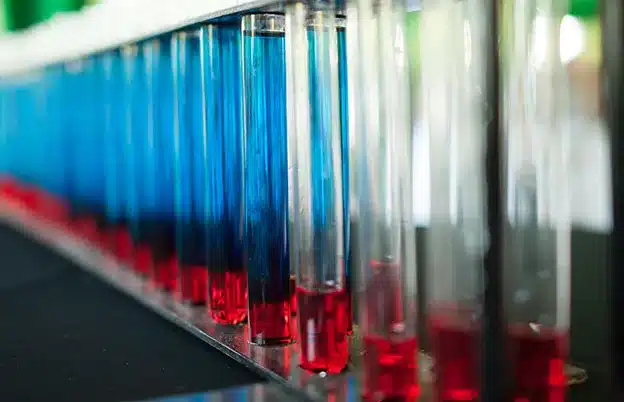
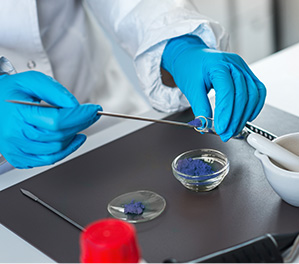 Recently in Australia, Sensient was provided a color sample named Natural Blue Color to match. The Natural Blue color sample was identified as anthocyanin-based in the accompanying documentation and sourced from Mexico and blended locally. Visually the powdered color appeared similar to Spirulina Extract, a widely used blue coloring ingredient based on phycyanin with low stability in high temperature applications. Using broad scope identification techniques, the sample did not display the characteristics of an anthocyanin, Spirulina extract, or any other recognized food colorant. This unexpected result was confirmed by subsequent spectral analysis and demanded further investigation.
Working with Sensient’s global expertise in food colors, a comprehensive identification analysis revealed surprising results. The analysis confirmed that the color is not food grade, with copper content exceeding 5000ppm and lead content exceeding the permitted 2ppm. Using Sensient Food Colors (USA) testing database, it was discovered that this is not the first time this colorant has been analysed by Sensient. Previously it had been offered directly to Sensient as anthocyanin-based Natural Blue Corn color, however Sensient’s new raw material assessment protocol identified it as Copper Phthalocyanine or Phthalocyanine Blue, a non-natural pigment approved for industrial paints. This disturbing outcome highlights that color adulteration is not confined to specific markets or industries.
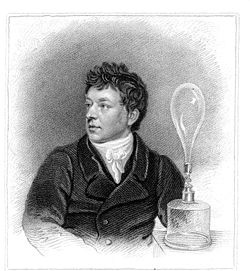 Adulterant usage was first discovered by German chemist Friedrich Accum in the 1800s. But food color adulteration was prevalent for hundreds of years prior. Dyes were injected in conventional oranges to make them appear as blood oranges. Lime, chalk, and bones were used to make white flour for bread. French laws were enacted to control coloring of margarine in 1396 and eggs in 1574. Spent tea leaves and coffee grounds were dyed and sold as new and elemental copper was used to color pickles, leading to many deaths. Confections were dosed with red vermillion (contains mercury), vitriol (contains copper), and Scheele’s green (contains arsenic and copper).
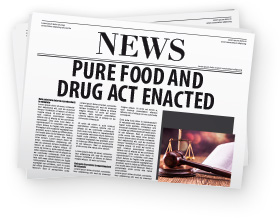 The United States in the early 1900s enacted the Pure Food and Drug Act which established safety standards for food colors and identified those permitted for use. Laws specific to United States’ certifiable food color additives, known as FD&C colors, were established in 1938. These synthetic colors are subjected to extensive tests for safety and chemical identity. Natural colors however are not subjected to the same strict scrutiny.
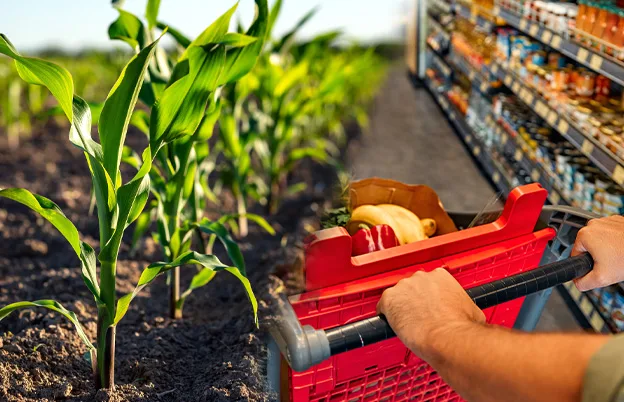
The Southampton Study led to the explosion of natural color use over the past decade. With this boom came an increase in the use of adulterants. Luckily Sensient’s Color Team was able to determine that natural blue colorant was in fact adulterated. So who is responsible? The color manufacturer? The trader? The food manufacturer? Natural colors may have illegal pesticides and pesticide levels, illegal heavy metals, and illegal metal levels, high microbial counts, added adulterants and other illegal diluents. There is one way to be sure that the colors you are using are safe.
 Certasure is a self-certification program developed by Sensient Colors. We test every batch of non-artificial color to ensure that they are truly from their botanical source AND have none of the ingredients, pesticides, microbes, and metals that they should not. We have strict manufacturing and supply chain standards and can ensure that you will receive the right product with no adulterants every time. Do you have a question about where your colors really come from? Can your supplier trace to the farm where the botanical source was grown? We can! Feel free to share a sample with our Colors Team and we can match with a clean and safe color? Do you know the heavy metals content in your product? Do you trust your suppliers’ specifications and certificates of analysis?
Is it too blue to be true? Too bright to be right? Too green to be clean? Not with Certasure and Sensient’s Natural Colors!