Extensive market research and case studies have been published on the impact of food color on consumers, and it’s a topic that Sensient has been researching independently for over a decade. The examples that follow just scratch the surface of what my team has compiled, so if you’re interested in learning more, we’d love to meet with you!
What are the most popular colors in the food and beverage industry?
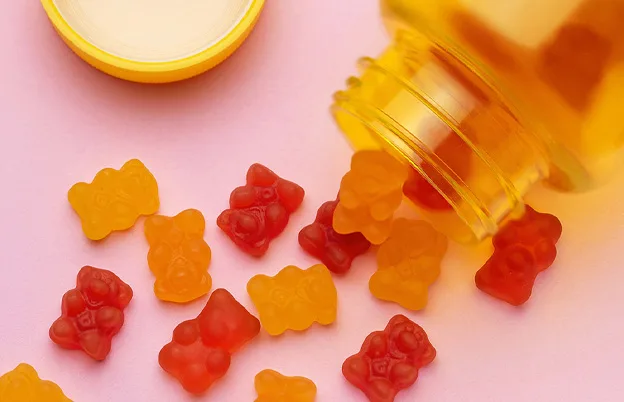
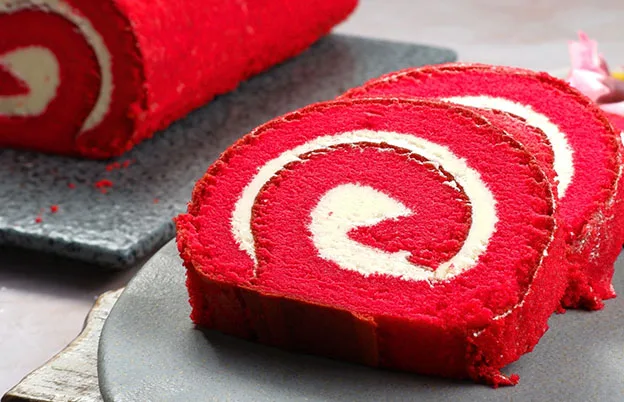
Red is the most commonly used color in food and beverage products. Synthetic dyes like Red 40 and Red 3 are used to create vibrant reds, and natural red colors sourced from fruit and vegetable juices are increasingly popular.
What colors are exempt from FDA certification?
The FDA certifies synthetic dyes through a robust batch-by-batch analysis process. Other approved color additives like fruit and vegetable juices, or those sourced from minerals, are considered “exempt from certification” and are commonly referred to as natural colors. Examples include beet juice, spirulina, and titanium dioxide.
What are some examples of successful products that use natural food colorings?
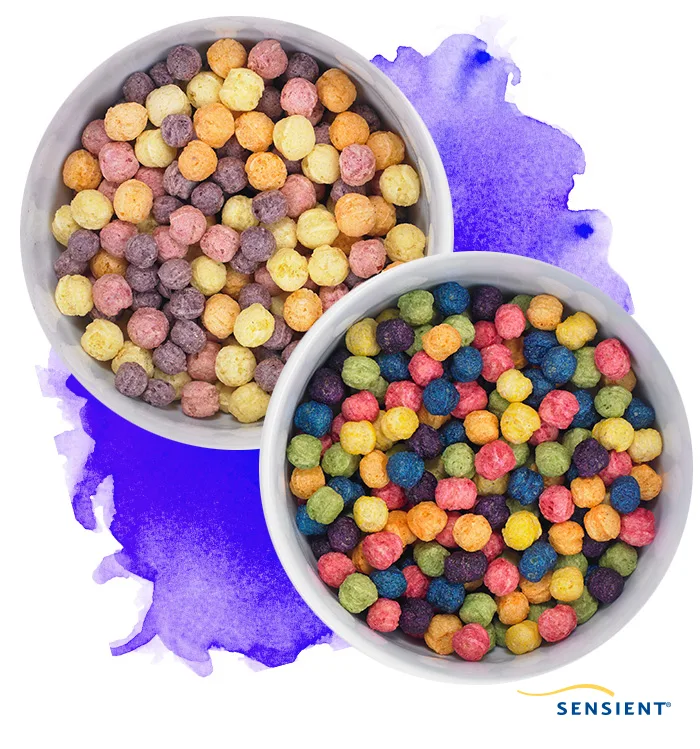
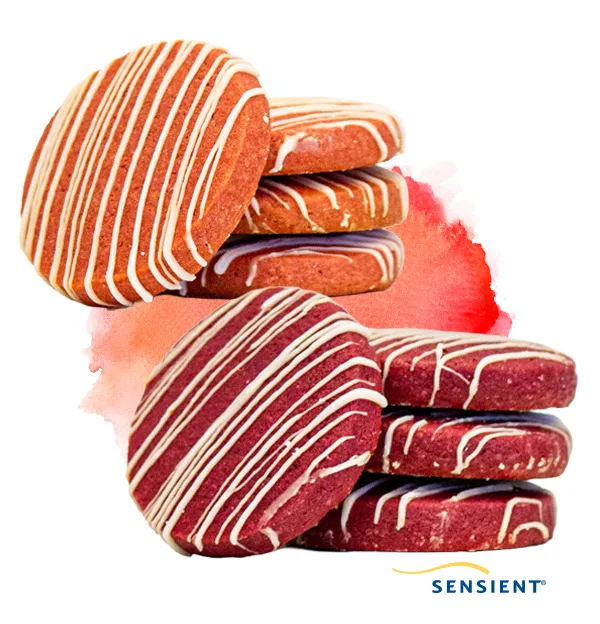
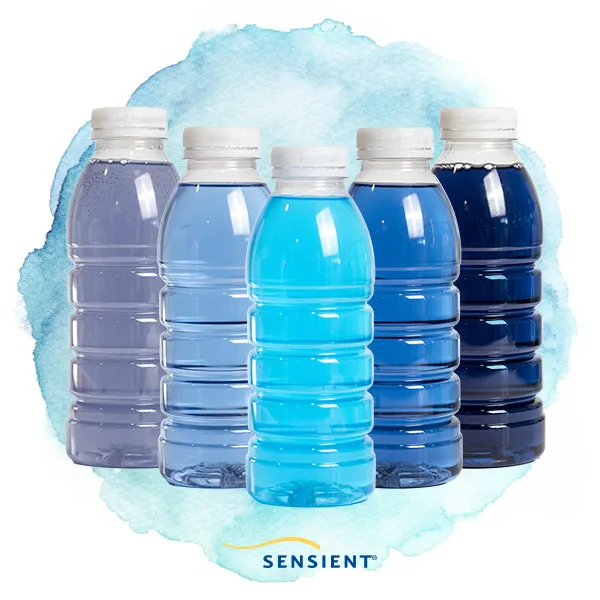
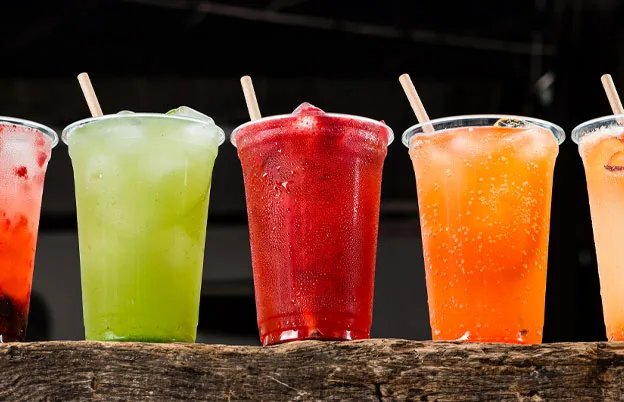
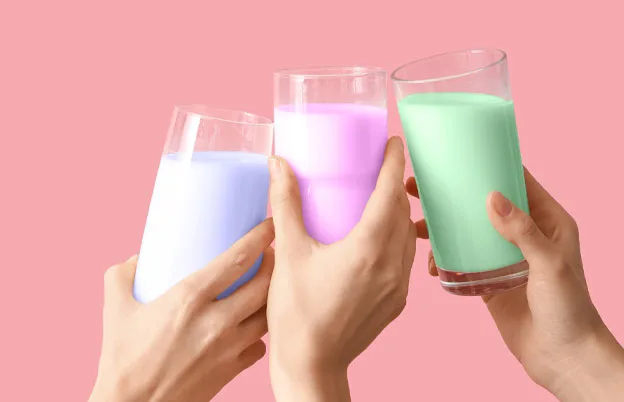
Some of the most successful products on the market today use natural food colorings. Natural food colors are used to create spicy reds and oranges for chip seasonings, bright pinks and purples in beverages, or even unique greens and blues in baked goods.
What does food color do?
Food color is used to alter the appearance of a food or beverage product. When used correctly, food color improves product appeal, flavor perception, and purchase intent for consumers.
What are the best food colors?
The best food colors are those that are stable, strong, and cost-effective. Natural color technologies can be used to enhance the stability, strength, or efficiency of colorants extracted from plants, insects, or minerals.
Should I remove color from food and beverages?
Removing color from food and beverage products is likely to have a negative impact on consumer taste perception and purchase intent. Color improves flavor awareness and product appeal and removing it from an existing product may inadvertently communicate a quality or flavor change to consumers.
Does color make food more appealing?
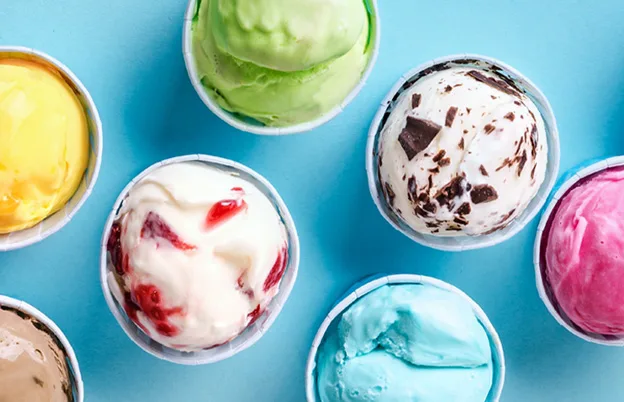
Color has a measurable impact on flavor perception and consumer purchase intent in food and beverages. An optimized color that matches or accurately represents the promoted flavor profile and delivers on consumer expectations can increase flavor perception, product appeal and liking, and purchase interest.
Are natural food colors safe?
The FDA and other regulatory bodies around the world have established guidelines for food color manufacturers regarding quality, authenticity, and safety of natural food color ingredients. The responsibility of safety analysis falls on the supplier. Sensient’s Certasure™ program ensures complete compliance with the most stringent global standards for safety and quality for all botanically sourced colors so that our customers can rely on our commitment to food safety.
Let color bring your product (and flavor!) to life.
We can help:
Reach out to our team for a private consultation or a complimentary sample today!